
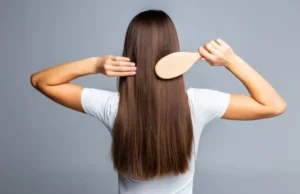
 Many people spend significant amounts of money on shampoos, conditioners, masks, and treatments hoping to improve the appearance of their hair. While quality hair care products can certainly help, healthy hair begins long before any product touches the scalp. Hair health is influenced by nutrition, lifestyle, stress levels, genetics, and overall well-being. Understanding these factors is often more important than following the latest beauty trends.
Hair Reflects Overall Health
Hair is not an essential organ for survival, which means the body prioritizes more important functions when nutrients are limited. As a result, changes in hair quality can sometimes reflect changes occurring elsewhere in the body.
Poor nutrition, chronic stress, illness, hormonal fluctuations, and inadequate sleep may all affect hair growth, thickness, and appearance over time.
Protein Is Essential For Strong Hair
Hair is composed primarily of a protein called keratin. Without adequate protein intake, the body may struggle to support optimal hair growth.
Foods such as fish, eggs, dairy products, legumes, poultry, and lean meats provide amino acids that help maintain healthy hair structure. Insufficient protein intake is one of the most common nutritional factors associated with weakened hair.
Why Vitamins And Minerals Matter
Several nutrients play important roles in hair health. Iron helps deliver oxygen to tissues, zinc supports cellular repair, and vitamins such as biotin, vitamin D, and certain B vitamins contribute to normal hair growth processes.
Deficiencies do not always cause immediate symptoms, but over time they may influence hair strength, texture, and growth patterns.
Stress Can Affect Hair More Than People Realize
The connection between stress and hair health is often underestimated. Significant physical or emotional stress may disrupt the normal hair growth cycle.
In some cases, increased shedding becomes noticeable several weeks or months after a stressful event. While this can be alarming, hair often recovers once the underlying stressor is addressed.
The Importance Of Scalp Health
Healthy hair begins with a healthy scalp. Excess oil, dryness, inflammation, and product buildup can affect the environment where hair grows.
Regular cleansing helps maintain scalp balance, but overly aggressive washing may strip natural oils and contribute to irritation. Finding the right balance is often more important than following rigid hair care rules.
Heat Styling Can Cause Damage
Frequent use of hot styling tools exposes hair to high temperatures that may weaken its structure over time.
While occasional use is generally manageable, repeated heat exposure can contribute to dryness, brittleness, split ends, and increased breakage. Using protective products and limiting excessive heat can help preserve hair quality.
Why Hair Growth Takes Patience
Hair grows relatively slowly, which means improvements rarely happen overnight. Even when nutrition, scalp care, and lifestyle habits improve, visible changes often require several months.
Patience is important because healthy hair is usually the result of consistent habits rather than quick fixes.
Sleep Supports Hair Health
Sleep is a critical period of recovery and regeneration for the entire body. Poor sleep affects hormone regulation, stress levels, and cellular repair processes that indirectly influence hair health.
Prioritizing quality sleep supports not only healthier hair but also overall physical well-being.
What Truly Healthy Hair Looks Like
Healthy hair is not necessarily perfectly styled or exceptionally long. It is strong, resilient, appropriately hydrated, and supported by a healthy scalp.
The most effective approach to hair care focuses on overall wellness rather than miracle products. Balanced nutrition, stress management, proper sleep, gentle hair care practices, and patience remain the foundation of healthy, beautiful hair for the long term.
Picture Credit: Magnific