
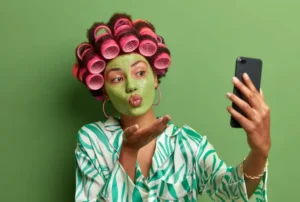
 Not every trend labeled as healthy actually supports your body. Many popular habits look clean, disciplined, and modern, but underneath they create stress, imbalance, or long-term damage. The danger isn’t obvious because these trends often come wrapped in motivation, aesthetics, and confidence. People feel proud following them. And that pride makes it harder to notice when something is wrong.
Health doesn’t usually break suddenly. It erodes slowly when the body is pushed in the wrong direction for too long.
Extreme Restriction Disguised as Discipline
One of the most common dangerous trends is extreme restriction. Cutting entire food groups, eating very little, or constantly “detoxing” the body is often praised as discipline. In reality, it confuses your metabolism and stresses your nervous system.
Your body needs consistency to feel safe. When food becomes unpredictable or insufficient, hormones shift. Energy drops. Mood becomes unstable. Digestion slows. Over time, the body stops trusting that nourishment is coming, and it reacts by holding onto stress and fat. What looks like control from the outside often becomes chaos on the inside.
Overtraining Without Real Recovery
Pushing the body every day without rest is another trend that hides behind productivity. Training hard feels powerful, especially when social media praises intensity. But muscles don’t grow during workouts. They grow during recovery.
When recovery disappears, the body stays inflamed. Joints ache. Sleep worsens. Motivation crashes. Many people mistake this for weakness and push harder, which only deepens the problem. Constant intensity without rest trains your nervous system to stay in survival mode. That’s not fitness. That’s burnout.
Biohacking Without Understanding the Basics
Cold plunges, extreme fasting windows, supplements stacked on supplements — biohacking looks advanced and impressive. But without understanding your own body, it becomes risky.
These practices stress the system intentionally. That stress can be helpful in small, controlled doses. But when people stack stress on top of already exhausted lives, the body stops adapting and starts breaking down. Fatigue, hormonal issues, anxiety, and sleep problems often follow. The body doesn’t care how trendy a method is. It only responds to load.
Wellness Obsession That Creates Anxiety
Constantly tracking, measuring, optimizing, and fixing your body can quietly damage mental health. When every meal, step, hour of sleep, and supplement becomes a data point, your body turns into a project instead of a home.
This level of control often increases anxiety instead of reducing it. You stop listening to your body’s signals and start trusting apps, numbers, and rules more than your own experience. Health becomes stressful, and stress is one of the fastest ways to undermine health.
Normalizing Chronic Sleep Deprivation
Another dangerous trend is treating poor sleep as normal or unavoidable. Late nights, early mornings, constant screen exposure, and “catching up later” are accepted as part of modern life.
But the body doesn’t adapt to sleep loss the way people think. Hormones go off balance. Appetite increases. Focus drops. Immunity weakens. Emotional regulation suffers. Over time, sleep deprivation becomes the root cause of problems people try to fix with diets, supplements, or workouts.
Using Stimulation Instead of Energy
Relying on caffeine, sugar, and constant stimulation to function is often seen as normal productivity. In reality, it masks exhaustion. When energy comes from stimulants instead of recovery, the nervous system never fully resets.
Calm starts to feel uncomfortable. Rest feels boring. The body forgets how to generate steady energy on its own. This pattern creates dependency, not vitality.
Ignoring Mental Health While Chasing Physical Results
Many health trends focus only on appearance or performance. Mental health gets treated as secondary. But stress, anxiety, and emotional overload affect digestion, immunity, hormones, and recovery just as much as physical habits do.
Ignoring mental health while pushing physical routines creates imbalance. The body absorbs emotional strain even when the mind pretends everything is fine.
Why Real Health Looks Less Extreme
True health rarely looks dramatic. It’s steady. Boring, even. It includes rest, flexibility, balance, and self-awareness. It adapts to seasons, energy levels, and life changes.
Dangerous trends promise fast results and clear rules. Real health asks for listening, patience, and adjustment. The body thrives when it feels supported, not constantly tested.
The most important skill in modern wellness isn’t discipline.
It’s discernment.
Picture Credit: Freepik