
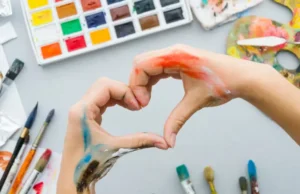
 Art therapy isn’t about being creative or talented. It’s about expression when language fails. Many emotional states don’t fit neatly into sentences. Stress, grief, burnout, anxiety often live in sensations, images, tension, and mood rather than clear thoughts.
Art therapy gives those internal states a form. Not to make them pretty. To make them visible.
When something becomes visible, it becomes workable.
The Brain Processes Images Faster Than Logic
The brain reacts to images, colors, and movement before it reacts to words. That’s why certain memories feel visual, not verbal. That’s why emotions show up as pressure, heaviness, or agitation rather than explanations.
Art therapy works with this system instead of fighting it. Drawing, shaping, coloring, or assembling bypasses the analytical mind and speaks directly to emotional processing centers. You don’t need to explain what you feel first. The process reveals it naturally.
Expression Without Judgment Changes Everything
One of the biggest barriers in traditional self-work is self-censorship. People edit themselves. They try to sound reasonable. They minimize. They explain instead of feel.
Art therapy removes that pressure. There’s no right answer. No correct outcome. No performance. The focus is on process, not result. That safety allows emotions to surface without being immediately controlled or suppressed.
When judgment drops, honesty rises.
Trauma And Stress Live In The Body And Imagination
Stress and trauma don’t stay neatly stored as memories. They affect posture, breathing, attention, and imagination. That’s why talking alone sometimes feels insufficient.
Art therapy accesses the sensory and symbolic layers where these experiences live. Shapes can hold fear. Colors can hold anger. Space can represent safety or threat. This externalization allows the nervous system to process without reliving events verbally.
The body often relaxes while the hands work.
You Don’t Need To Know What You’re Doing
People often resist art therapy because they think they’ll “do it wrong.” That fear itself is useful information.
Art therapy isn’t about skill. It’s about permission. Permission to explore without knowing where it leads. Permission to make something imperfect. Permission to let the process guide you instead of controlling it.
That shift alone is therapeutic for people used to overthinking or self-monitoring.
Meaning Emerges After Expression Not Before
Trying to understand emotions before expressing them often leads to loops. Art therapy flips the order.
You create first. Then you reflect. Patterns appear. Symbols repeat. Themes surface without force. Insight arrives gently instead of being chased.
This makes emotional understanding feel discovered rather than manufactured.
Art Therapy Supports Regulation Not Just Insight
Insight doesn’t automatically calm the nervous system. Regulation does.
Art-making slows breathing, focuses attention, and provides rhythmic movement. These elements signal safety to the nervous system. That’s why people often feel calmer after sessions even if they touched difficult material.
The goal isn’t emotional intensity. It’s emotional integration.
When Art Therapy Works Best
Art therapy is especially helpful for people who feel emotionally stuck, overwhelmed, disconnected, or tired of talking about the same things without change. It also supports those dealing with chronic stress, burnout, grief, or identity transitions.
It doesn’t replace other therapeutic approaches. It complements them by working through a different channel.
Guided Support Makes The Process Deeper
While creative expression can be done alone, guided art therapy adds structure and containment. A trained professional helps interpret themes safely, notice patterns, and pace the process so it doesn’t become overwhelming.
That’s why programs like those at Bethesda Revive integrate art therapy within a broader mental health framework. The goal isn’t self-expression for its own sake. It’s healing through supported exploration.
Healing Doesn’t Always Sound Like Talking
Some parts of you don’t want to explain. They want to show.
Art therapy gives those parts a voice without forcing them into language too early. It respects the intelligence of the nervous system and the imagination.
When words stop helping, expression still can. And sometimes, that’s where real movement finally begins.
Picture Credit: Freepik