
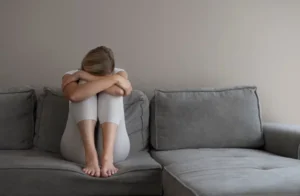
 PTSD isn’t loud every day. It doesn’t always look like panic attacks or dramatic flashbacks. Sometimes it hides inside the body as tension, headaches, exhaustion or sudden irritability. Sometimes it shows up as avoidance — avoiding places, conversations, memories. And sometimes it shows up in silence, when someone feels numb instead of overwhelmed.
Trauma changes the nervous system. It teaches the body to stay alert even when nothing dangerous is happening. That constant readiness drains energy, shortens patience and makes normal life feel heavier than it should.
How PTSD Reduces Your Sense of Safety
At the core of PTSD is a nervous system that doesn’t feel safe. Your brain keeps scanning the environment for anything that resembles the original experience. A loud noise. A smell. A certain tone of voice. A specific location. These triggers feel small to others but hit you like warnings.
You start reacting before you even understand why. Your breath shortens. Your chest tightens. You feel like you’re bracing for something you can’t name. It’s not a dramatic response — it’s your body trying to protect you, even when protection isn’t needed anymore.
Over time, this constant tension makes daily routines difficult. Work feels draining. Relationships feel fragile. Sleep becomes inconsistent. Joy feels distant because your body is too busy staying ready.
When Trauma Shows Up Physically
PTSD isn’t only psychological. It affects the body deeply. You might notice headaches that come out of nowhere, stomach issues that flare during stress, muscle tension that never fully releases. You might struggle with sleep or wake up feeling exhausted even after a full night.
These symptoms aren’t random. They’re physical expressions of a nervous system stuck in survival mode. When your mind carries trauma, your body carries the memory too.
Many people blame themselves for these symptoms, thinking they’re being “overly sensitive” or “too emotional.” In reality, they’re responding to something their system hasn’t processed yet.
How Avoidance Makes the Cycle Stronger
Avoidance feels safe at first. You stay away from memories, conversations or situations that feel threatening. It gives short-term relief. But long term, it keeps the trauma alive. The brain never learns that the threat has passed. It simply expands its list of things to avoid.
You start shrinking your life without noticing. Places you once enjoyed now feel overwhelming. People who matter feel distant. Opportunities feel stressful instead of exciting. Avoidance doesn’t mean you’re weak. It means you need support — not pressure — to rebuild safety.
Healing Starts With Feeling Understood
PTSD doesn’t respond well to quick fixes or superficial advice. It requires care that respects the whole person — mind, body and experiences. You need space where you don’t feel judged. Space where your reactions make sense. Space where someone understands why your nervous system feels stuck.
That’s why many people in Florida turn to Bethesda Revive Counseling Services, LLC. They offer trauma-informed support that meets you where you are instead of pushing you where you “should” be. The work is gentle, steady and grounded in real understanding, not clichés about “moving on.”
When you feel safe with someone, healing stops feeling impossible.
What Recovery Actually Looks Like
Healing from PTSD rarely happens all at once. It comes in small shifts. You notice your body softening a little. Stop bracing for things that used to overwhelm you. You sleep a bit deeper. You feel a small spark of joy appear in moments you thought were lost.
Recovery isn’t about erasing the past. It’s about teaching your nervous system that the danger is gone. It’s about giving yourself new experiences of safety, connection and control.
And with the right support, those moments start adding up. You begin to trust your own body again. You begin to trust life again.
You’re Not Meant to Carry This Alone
PTSD makes people believe they have to handle everything themselves. But trauma is not meant to be healed in isolation.
When you finally let someone into that experience, the weight shifts. Life doesn’t become perfect overnight, but it becomes possible again. Less fear. Fewer triggers. More ease in the body. More room to breathe.
You deserve a life that isn’t shaped by old pain. You deserve a nervous system that feels safe. And with the right guidance, you can build that life slowly, gently, and on your own terms.
Picture Credit: Freepik